
Forged Steel Balls: Types, Sizes, Hardness, Applications, Price & Buying Guide
Forged steel balls are widely used as grinding media in mining, mineral processing, cement production, power generation, and other industries where efficient size reduction is required. Their strength, impact resistance, wear performance, and customizable specifications make them suitable for demanding grinding applications.
Choosing the right forged steel balls involves more than selecting a diameter. Buyers need to consider the manufacturing process, steel grade, hardness, ball size, mill type, ore characteristics, operating conditions, wear rate, and total grinding cost.
This guide explains forged steel balls from manufacturing and material selection to applications, pricing, and supplier selection, helping industrial buyers choose the right grinding media for their mills.
What Are Forged Steel Balls?
Forged steel balls are grinding media manufactured by heating steel billets or round bars to a suitable forging temperature and forming them into spherical shapes through forging processes. After forging, the balls normally undergo heat treatment to achieve the required hardness, toughness, and wear resistance.
Unlike ordinary steel balls, forged grinding balls are specifically engineered for grinding applications. Their mechanical properties allow them to withstand repeated impact and abrasion inside grinding mills.
Forged steel balls are commonly available in different diameters, steel grades, and hardness levels. The appropriate specification depends on factors such as mill type, feed material, grinding stage, mill speed, and expected wear conditions.
Typical applications include:
Mining and mineral processing
Gold ore grinding
Copper and iron ore processing
Cement plants
Coal grinding
Power plants
Industrial mineral processing
For large-volume industrial grinding, forged steel balls are often selected because they can provide a combination of high impact toughness and controlled wear resistance.
Forged Steel Ball Manufacturing Process
The quality of forged grinding balls depends heavily on the manufacturing process. A controlled production process helps ensure consistent dimensions, internal structure, hardness, and mechanical performance.
A typical Forged Steel Ball Manufacturing Process includes the following stages:
1. Raw Material Selection
Steel with the required chemical composition is selected according to the intended application. Carbon content, alloying elements, and steel cleanliness all affect the final performance of the grinding balls.
2. Cutting
Steel bars or billets are cut into appropriate lengths according to the target ball diameter.
3. Heating
The cut steel pieces are heated to a controlled forging temperature. Uniform heating is important because insufficient or excessive heating can affect the internal structure and forging quality.
4. Forging
The heated steel is formed into spherical grinding balls using forging equipment. Controlled deformation helps improve the internal structure and dimensional consistency of the finished product.
5. Heat Treatment
Forged balls may undergo quenching and tempering to obtain the required combination of hardness and toughness.
6. Inspection
Finished balls are inspected for dimensions, surface quality, hardness, chemical composition, and other required properties.
7. Packaging and Delivery
After quality inspection, the balls are packed according to customer requirements and prepared for shipment.
A professional manufacturing process is especially important for large forged steel balls because they need to maintain mechanical integrity under repeated high-impact conditions.
Forged Steel Ball Sizes
Forged Steel Ball Sizes vary according to the grinding mill, feed size, grinding stage, and material being processed.
Common industrial diameters may include:
The exact size combination used in a mill is usually more important than selecting one ball diameter alone. Many mills operate with a mixed-size grinding media charge.
Larger balls generally provide greater impact energy and can be useful for coarse feed materials. Smaller balls provide a larger surface area and may improve grinding efficiency during finer grinding stages.
When selecting ball sizes, buyers should consider:
Mill diameter
Mill type
Feed particle size
Target product size
Material hardness
Mill speed
Grinding stage
Existing media size distribution
Forged Steel Ball Hardness
Forged Steel Ball Hardness is one of the most important specifications affecting grinding media performance.
Hardness determines how well a grinding ball can resist surface deformation and abrasive wear. However, maximum hardness is not always the best choice. Grinding balls also need sufficient toughness to withstand impact.
Depending on the steel grade and heat treatment, forged steel balls can be manufactured with different hardness levels for different applications.
For example, mining applications with highly abrasive ores may require high surface hardness, while applications involving severe impact may require a carefully balanced combination of hardness and toughness.
Important factors affecting hardness include:
Steel composition
Forging temperature
Forging ratio
Quenching conditions
Tempering conditions
Ball diameter
Heat-treatment uniformity
Buyers should therefore evaluate hardness together with impact resistance, wear performance, and operating conditions rather than choosing grinding balls based on hardness alone.
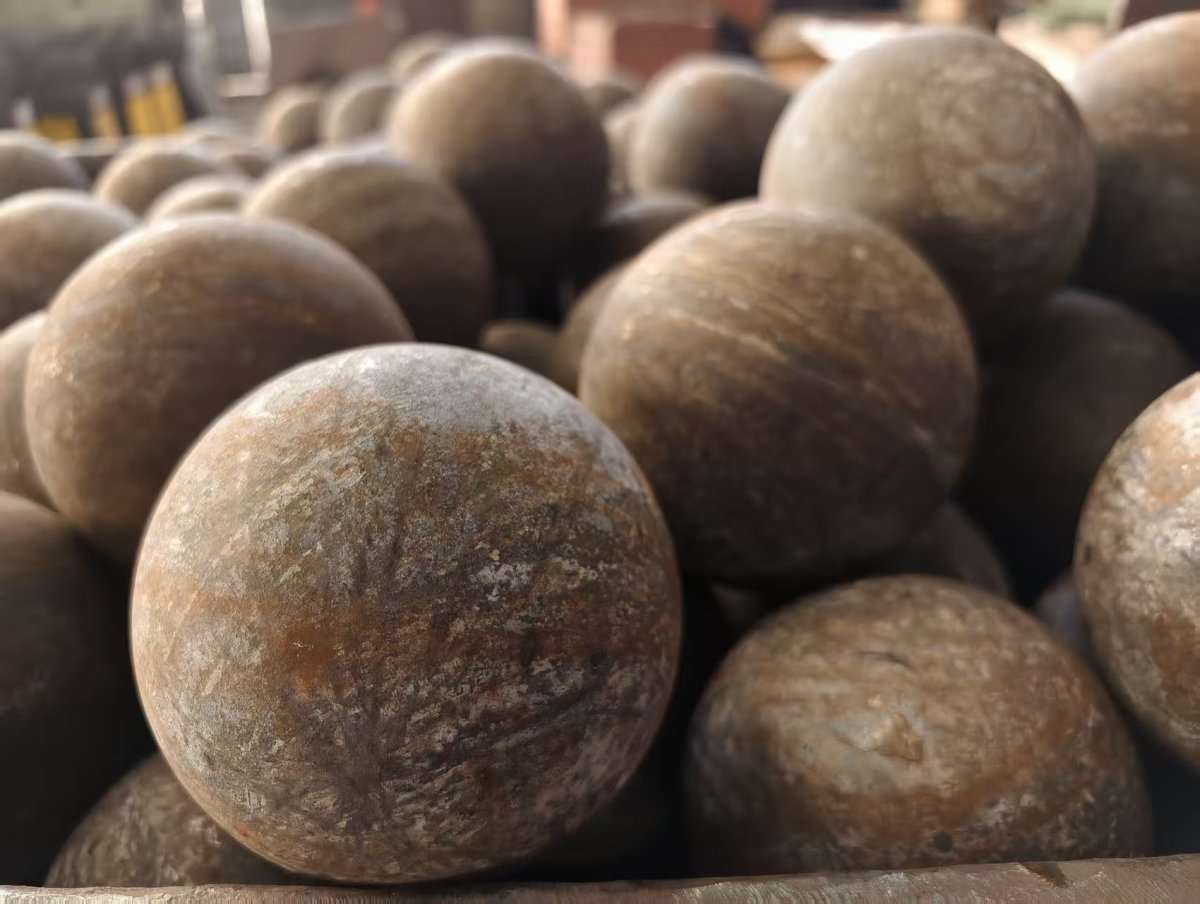
Forged Steel Ball Materials
The Forged Steel Ball Materials used for production directly influence hardness, toughness, wear resistance, and service life.
Common material systems may include carbon steel and alloy steel grades containing elements such as chromium, manganese, silicon, and other alloying elements.
A suitable material is selected according to the grinding environment.
For example:
The exact chemical composition should be selected according to the application rather than using the same steel grade for every grinding condition.
For demanding mining applications, alloyed forged steel balls may provide better performance where high wear resistance and impact resistance are required.
Forged Steel Balls for Mining
Forged Steel Balls for Mining are commonly used in grinding circuits for reducing ore particle size before further mineral separation or processing.
Mining operations can involve highly abrasive materials and large feed sizes. Grinding media must therefore withstand continuous impact and abrasion while maintaining stable performance.
Forged steel balls can be used in:
Gold mining
Copper mining
Iron ore processing
Lead-zinc processing
Nickel processing
Mineral beneficiation
Other hard-rock grinding applications
The selection of grinding media should consider ore hardness, abrasiveness, mill configuration, feed size, and target particle size.
For large mining operations, buyers should also evaluate grinding media consumption in relation to production output. A lower purchase price does not necessarily mean a lower overall grinding cost if the balls wear faster.
Forged Steel Balls for Gold Mining
Forged Steel Balls for Gold Mining are widely used in ball mills and other grinding systems to reduce gold-bearing ore to the particle size required for downstream recovery processes.
Gold ores can vary considerably in hardness and abrasiveness. Therefore, there is no universal forged steel ball specification for every gold processing plant.
Important considerations include:
Ore hardness
Abrasiveness
Feed size
Mill diameter
Mill speed
Ball size
Ball hardness
Grinding circuit configuration
Required final particle size
For coarse gold ore grinding, larger forged balls may be useful because of their higher impact energy. For finer grinding stages, smaller media may provide more effective particle-to-particle contact.
Plant operators should evaluate actual grinding performance and media consumption before standardizing a particular ball size or material grade.
Forged Steel Balls for Ball Mills
Forged Steel Balls for Ball Mills are selected according to the mill's operating conditions and grinding requirements.
Ball mills use grinding media to reduce material through a combination of impact and abrasion. The grinding efficiency depends on the relationship between ball size, mill speed, material characteristics, and media filling.
When selecting forged steel balls for a ball mill, consider:
Mill diameter and length
Feed material size
Material hardness
Desired product fineness
Mill speed
Grinding circuit
Ball filling level
Existing media size distribution
Large-diameter balls are generally suitable for breaking larger particles, while smaller balls can provide more contact points for finer grinding.
For this reason, many industrial mills use a combination of different ball sizes instead of relying on one size throughout the entire grinding process.
Forged Steel Balls vs Cast Steel Balls
Forged Steel Balls vs Cast Steel Balls is a common consideration when selecting grinding media.
Both types can be used in mining, cement, and mineral processing, but their manufacturing processes and performance characteristics are different.
Forged balls are often preferred for applications involving significant impact, while cast grinding balls can be advantageous when specific alloy compositions and wear characteristics are required.
The best choice depends on the actual grinding conditions rather than simply comparing the manufacturing method.
Forged Steel Ball Wear Rate
Forged Steel Ball Wear Rate is a critical factor in determining the real operating cost of grinding media.
Wear rate describes how quickly grinding balls lose mass or diameter during operation. It is influenced by many variables, including:
Ore abrasiveness
Ore hardness
Ball hardness
Steel composition
Ball size
Mill speed
Mill type
Grinding environment
Feed size
Slurry characteristics
Grinding media loading
A grinding ball with a higher purchase price may still be more economical if it provides longer service life and lower media consumption.
For this reason, industrial buyers should evaluate grinding media based on cost per ton of material processed rather than purchase price alone.
Monitoring ball consumption, mill performance, and product fineness can help determine whether a particular forged steel ball specification is performing effectively.
Forged Steel Ball Price
Forged Steel Ball Price varies according to material, diameter, hardness, order quantity, manufacturing requirements, packaging, and delivery destination.
Key price factors include:
Steel raw material cost
Ball diameter
Steel grade
Alloy composition
Hardness requirement
Heat-treatment requirements
Order volume
Packaging
Inspection requirements
Shipping terms
Delivery location
Large-volume mining and cement customers usually request quotations based on tons rather than individual pieces.
When comparing quotations, buyers should look beyond the unit price. Important factors include wear rate, service life, quality consistency, replacement frequency, transportation cost, and total grinding media consumption.
A supplier offering a slightly higher initial price may provide lower overall operating costs if the grinding balls have better wear resistance and more consistent performance.
How to Choose Forged Steel Balls
How to Choose Forged Steel Balls depends on the complete operating environment rather than one specification.
A practical selection process includes the following steps.
Step 1: Identify The Application
Determine whether the balls will be used for mining, gold ore, cement, power generation, or another grinding application.
Step 2: Understand The Material
Evaluate feed size, hardness, abrasiveness, moisture, and target particle size.
Step 3: Select The Ball Size
Choose the appropriate diameter or combination of diameters based on mill type and feed characteristics.
Step 4: Determine Hardness
Select a hardness level that provides an appropriate balance between wear resistance and impact toughness.
Step 5: Select The Material
Choose carbon steel or alloy steel according to the required mechanical properties and grinding conditions.
Step 6: Evaluate Wear Performance
Review actual consumption data, laboratory test results, or operating experience where available.
Step 7: Compare Total Cost
Calculate the expected cost per ton of material processed instead of comparing purchase prices alone.
Step 8: Evaluate Supplier Capability
Check manufacturing capacity, quality control, testing capabilities, production consistency, packaging, export experience, and after-sales support.
A well-matched grinding media specification can improve grinding efficiency, reduce media consumption, and support more stable mill operation.
Forged Steel Ball Manufacturer
Choosing a reliable Forged Steel Ball Manufacturer is important for maintaining consistent grinding performance, especially for large mining and cement projects.
A qualified manufacturer should be able to provide:
Stable raw material sourcing
Controlled forging processes
Consistent heat treatment
Multiple ball sizes
Different steel grades
Hardness testing
Chemical composition testing
Dimensional inspection
Quality certificates
Production capacity
Export packaging
Technical support
For large-volume customers, manufacturing capacity is also important. The supplier should be able to maintain consistent product quality throughout repeated orders rather than producing only small trial batches.
Before placing a large order, buyers can request product samples, technical specifications, inspection reports, certificates, and references for similar applications.
Forged Steel Ball Supplier
A reliable Forged Steel Ball Supplier should provide more than competitive pricing. The supplier should understand the customer's grinding conditions and recommend a suitable combination of ball size, material, and hardness.
When evaluating suppliers, consider:
For international buyers, it is also useful to confirm the supplier's export experience, loading methods, packaging standards, documentation, and ability to maintain consistent quality across long-distance shipments.
Forged Steel Balls Buying Checklist
Before purchasing forged steel balls, buyers can use the following checklist:
Confirm the required ball diameter
Identify the grinding mill type
Determine the feed material and particle size
Evaluate ore or material hardness
Evaluate abrasiveness
Select suitable steel material
Confirm hardness requirements
Check heat-treatment specifications
Request chemical composition data
Request hardness and inspection reports
Compare expected wear rates
Calculate cost per ton of material processed
Check production capacity
Confirm packaging requirements
Confirm delivery terms and lead time
Evaluate supplier experience and technical support
Frequently Asked Questions About Forged Steel Balls
Are forged steel balls suitable for mining?
Yes. Forged steel balls are widely used in mining and mineral processing because they can be manufactured with high strength, controlled hardness, and good impact resistance for demanding grinding conditions.
What sizes of forged steel balls are available?
Forged grinding balls can be produced in a wide range of diameters. The appropriate size depends on the mill, feed material, grinding stage, and target product size.
Are harder forged steel balls always better?
No. Excessive hardness without sufficient toughness can increase the risk of breakage under severe impact conditions. The best specification balances hardness, toughness, wear resistance, and operating conditions.
How do forged steel balls compare with cast steel balls?
Forged and cast steel balls use different manufacturing processes and can have different mechanical and wear characteristics. The appropriate choice depends on the mill and grinding environment.
How can forged steel ball consumption be reduced?
Grinding media consumption can be influenced by ball material, hardness, size distribution, ore characteristics, mill operation, and grinding conditions. Selecting the correct media specification and monitoring actual wear performance are important steps.
Conclusion
Forged steel balls are an important type of grinding media for mining, gold processing, cement production, ball mills, and other industrial grinding applications. Their performance depends on the relationship between material, size, hardness, manufacturing process, mill conditions, and feed characteristics.
For buyers, the lowest purchase price is not necessarily the best option. A better approach is to evaluate grinding media based on wear resistance, impact performance, service life, consistency, and total cost per ton of material processed.
By understanding forged steel ball types, manufacturing processes, sizes, hardness, materials, applications, wear rate, and pricing, buyers can make a more informed purchasing decision and select a manufacturer or supplier capable of providing stable quality for long-term industrial use.
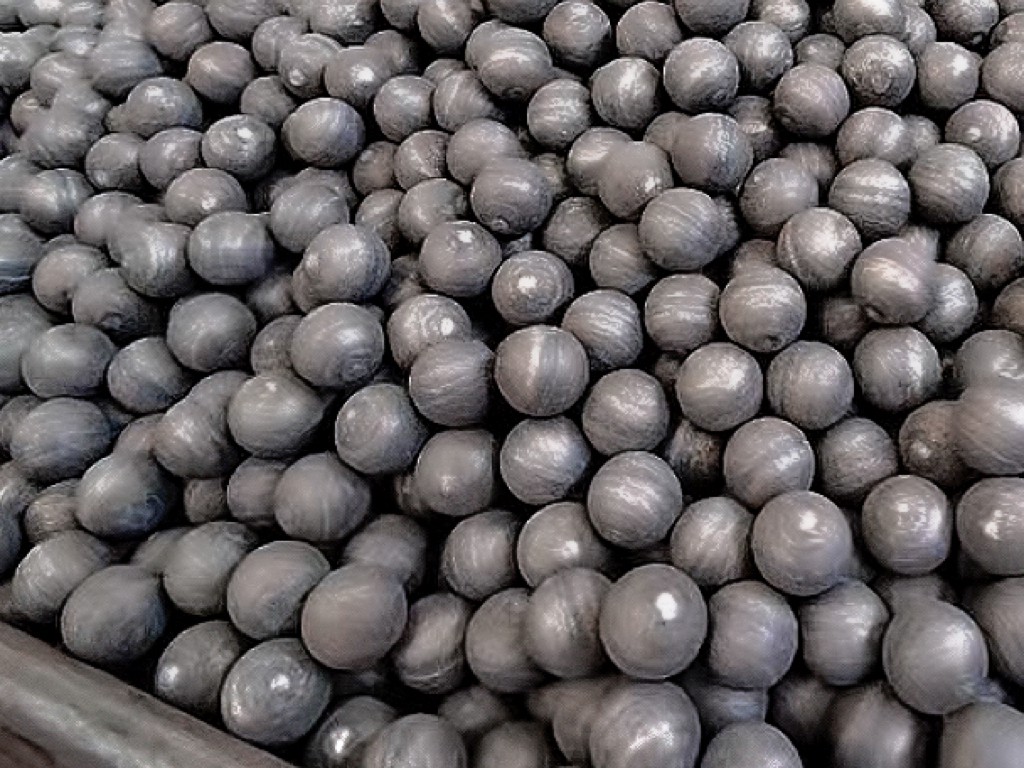
 Hot-rolled steel ballsThe company has a modern production base equipped with a full set of intelligent production equipment and automated production lines, with an annual production capacity of up to 150,000 tons.
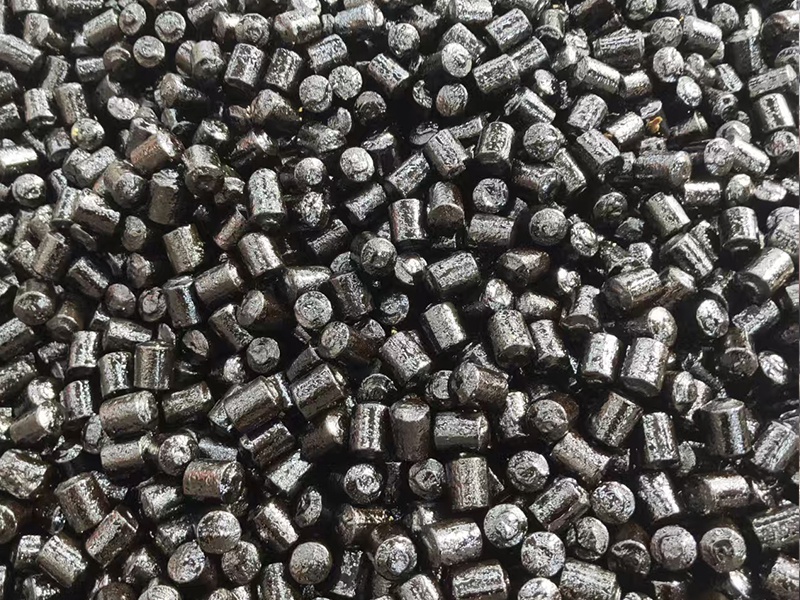
 Grinding steel forgingThe company has a modern production base equipped with a full set of intelligent production equipment and automated production lines, with an annual production capacity of up to 150,000 tons.
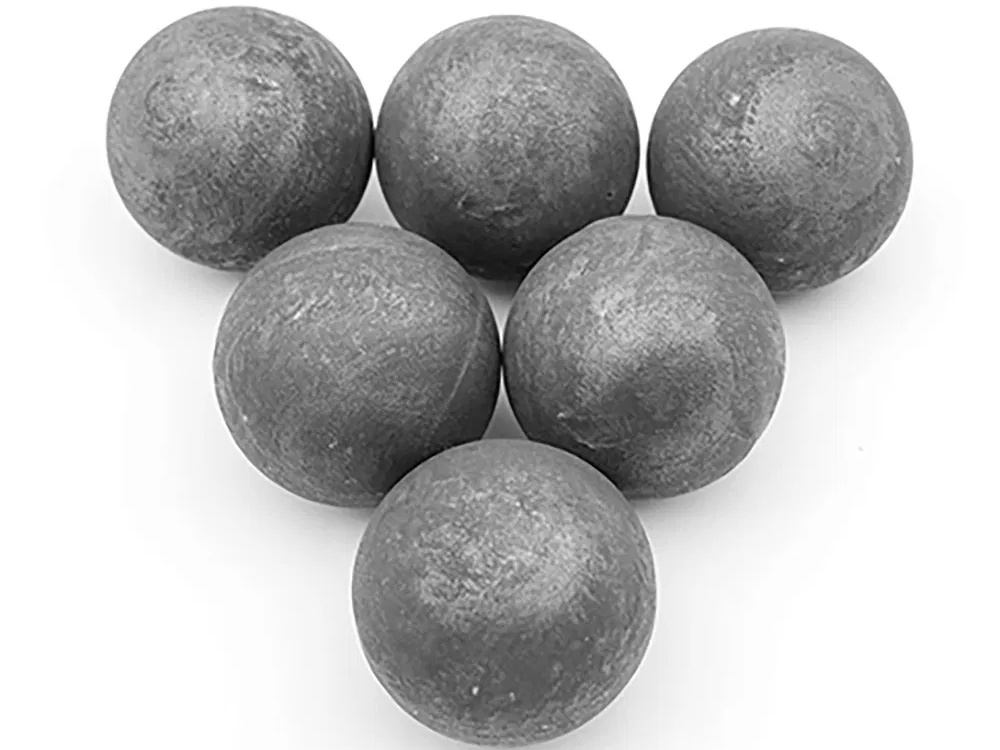
 Forged steel ballsJinchi forged steel balls deliver high wear resistance and stable performance for mining, cement and power plant grinding applications.
Get real-time quotes
Interested? Leave your contact details.